Skip to content
LogoBharat ShaktiSolar
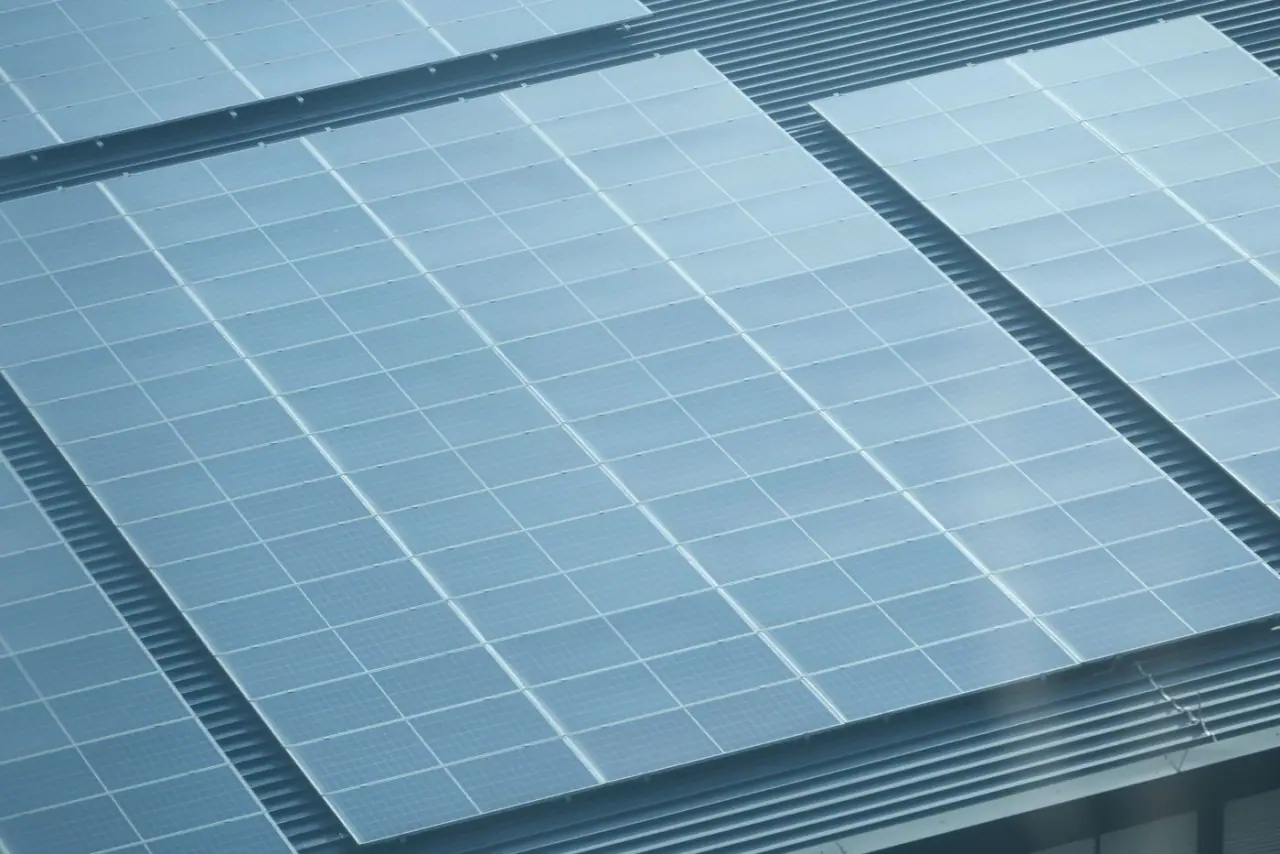
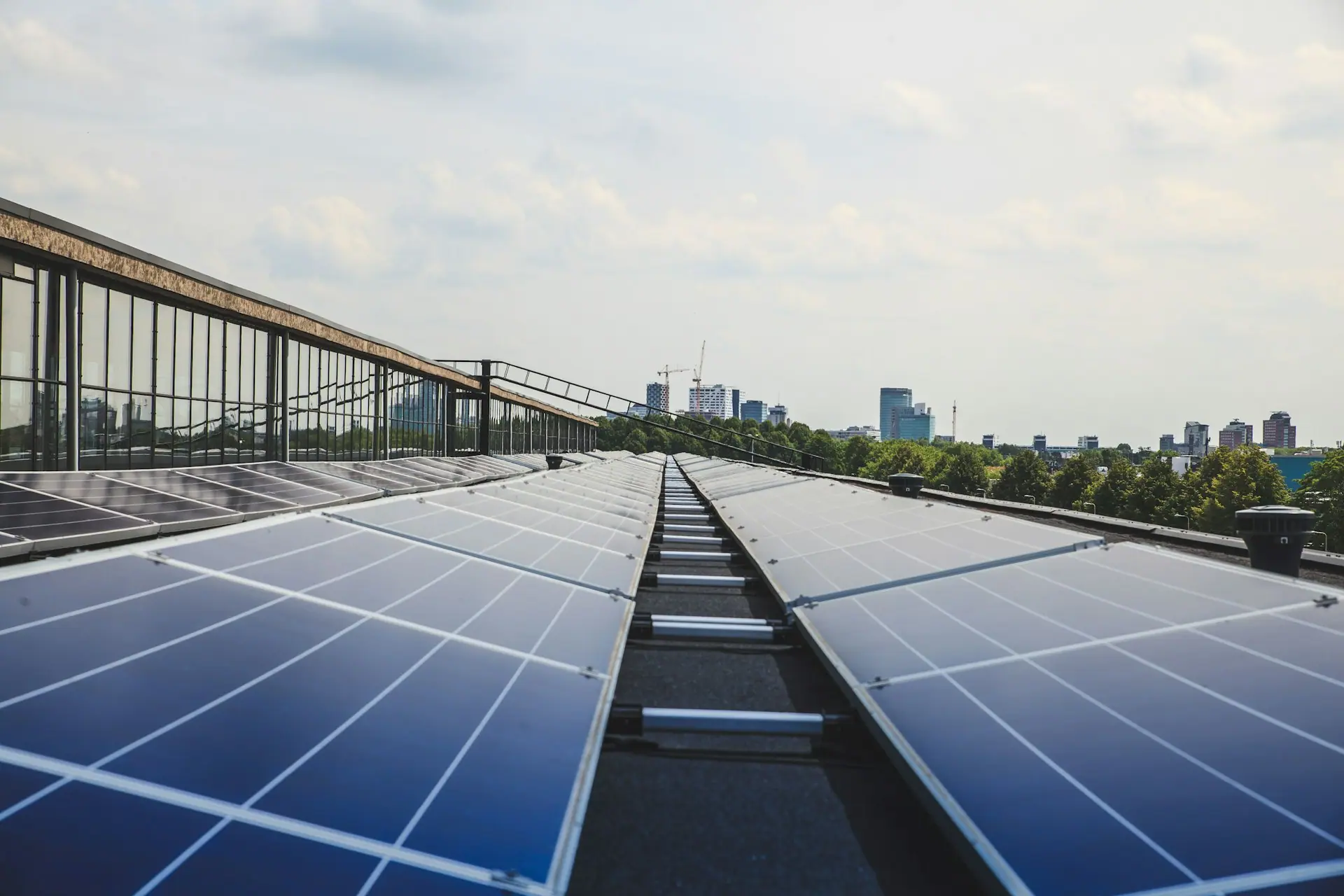
Rows of photovoltaic panels on a commercial rooftop running towards a city skyline in afternoon light

Engineered by the sun

Power your property.Own your energy.

Thoughtfully designed solar systems for homes and businesses — sized against your own consumption, built to stay reliable, and costed before you commit.

SystemsOn-grid · Hybrid · Off-grid
RegionsUttar Pradesh · Delhi NCR · Uttarakhand
EstimatesFrom published assumptions
§ 01Start with the number that matters

What would solar do to your bill?

Move the slider. The estimate updates as you go — no name, no phone number, no form.

₹
₹1,000₹1,50,000+
Property type
Estimated monthly savingIndicative estimate

₹3.9k

After deducting the running cost of the system, and excluding the fixed charges that stay on your bill whatever you generate.

System size
5 kWAbout 500 sq ft of roof
Yearly saving
₹47kCovers about 104% of your units
Generation
6,900 kWhEstimated, per year
Open the full calculator

Add your PIN code, roof area and tariff for a closer estimate. What it costs to install comes from a site survey, not a form.

§ 02What we can evidence
—Installations completedAwaiting verification
—Capacity installedAwaiting verification
—Years in operationAwaiting verification
—Systems under maintenanceAwaiting verification

We would rather show you nothing than show you a number we cannot evidence. Installation counts, installed capacity and registration details go live here once each one can be checked against a document.

  • DISCOM-registered vendorRegistration number pendingUnverified
  • GST registrationGSTIN pendingUnverified
  • Equipment from ALMM-listed manufacturersModel list issued with each quotationUnverified
§ 03Solutions
§ 04On-grid, hybrid or off-grid

Only one of these keeps working in a power cut.

An on-grid system shuts down during an outage — by design, and by regulation, so that it cannot energise a line someone is working on. Backup needs a battery, and a battery changes the economics.

On-grid

Lowest cost per unit generated

Runs during an outage
No
Needs a battery
No
Can export to the grid
Yes

Best forLowering the bill where the supply is reasonably reliable

Shuts down during a power cut by design, so that no supply is fed into lines under repair.
Hybrid

Higher — the battery adds cost without adding generation

Runs during an outage
Yes
Needs a battery
Yes
Can export to the grid
Yes

Best forLowering the bill while keeping selected circuits running

Backs up the circuits it was wired for, for as long as the battery holds. Not the whole building indefinitely.

Off-grid

Highest — sized for the worst stretch of weather in the year

Runs during an outage
Yes
Needs a battery
Yes
Can export to the grid
No

Best forSites with no usable grid connection at all

No export, no net metering, and not eligible for the central residential subsidy.

§ 05How installation works

Six stages, and what you actually have to do in each.

Most of the calendar is approvals and utility scheduling, not work on your roof. Here is the whole sequence, including the parts outside our control.
  1. 01

    Energy assessment

    We read twelve months of your bills to find the consumption behind them, then look at the roof: usable area, shading, orientation and slab condition. That is what decides the capacity.

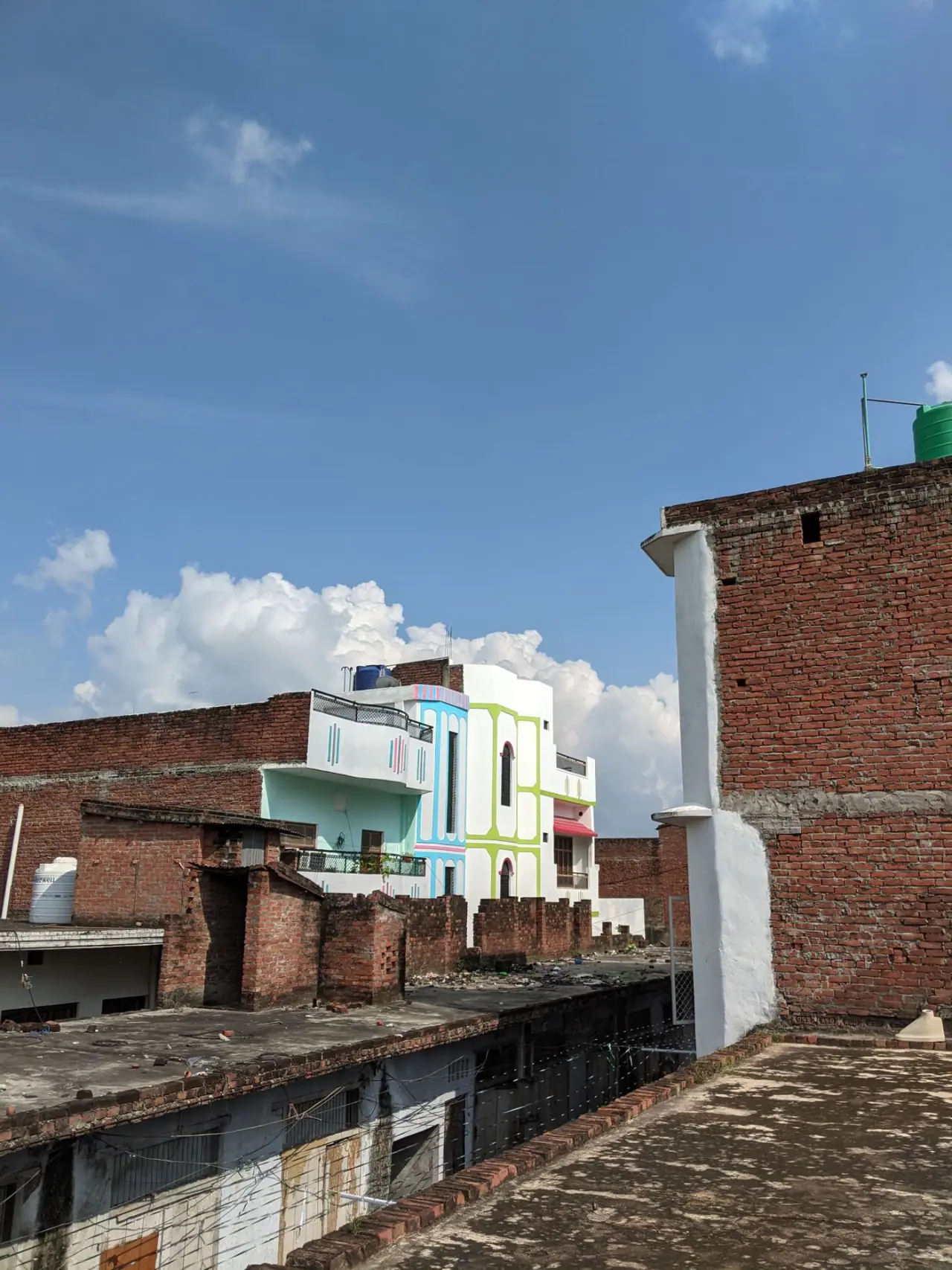
    Densely packed painted rooftops and terraces in an Indian town under a clear blue sky
    You do
    Share recent electricity bills and let us onto the roof
    Typical timing
    Day 1
  2. 02

    System design

    Module layout, structure height, inverter position, cable routes and expected generation are drawn before anything is ordered. You see the layout and the yield estimate together.

    Angled view along a rooftop array showing module frames and clamp positions
    You do
    Review the layout and confirm where the inverter goes
    Typical timing
    Days 2 – 4
  3. 03

    Quotation and approvals

    A line-item price, the subsidy you are actually eligible for, financing options if you want them, and the approvals your DISCOM requires — set out before you commit.

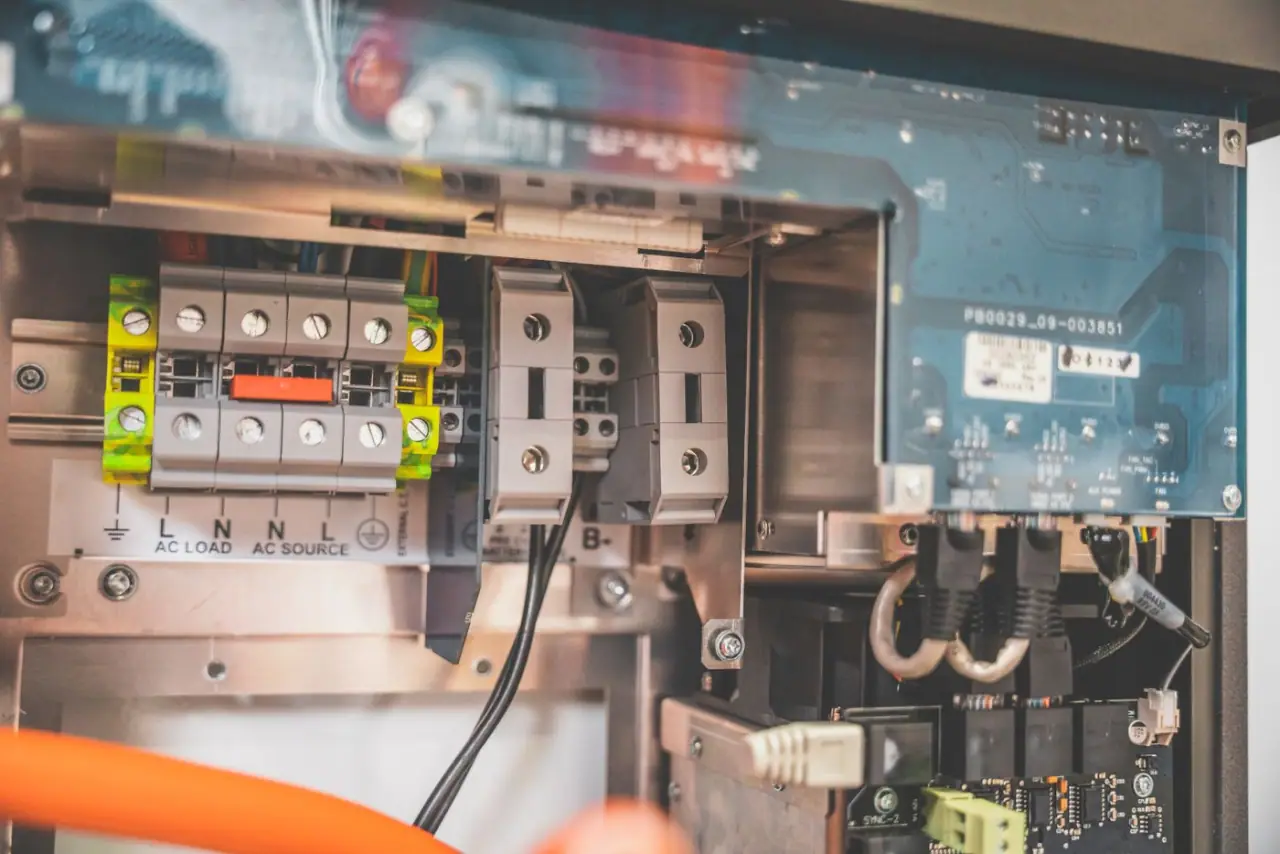
    Close-up of an inverter with its cover removed, showing terminal blocks and labelled AC and DC connections
    You do
    Accept the quotation and provide documents for the application
    Typical timing
    Days 4 – 10
  4. 04

    Installation and commissioning

    Structure, modules, inverter, protection and earthing go in over two to four days for a typical rooftop. Every string is tested before the system is energised.

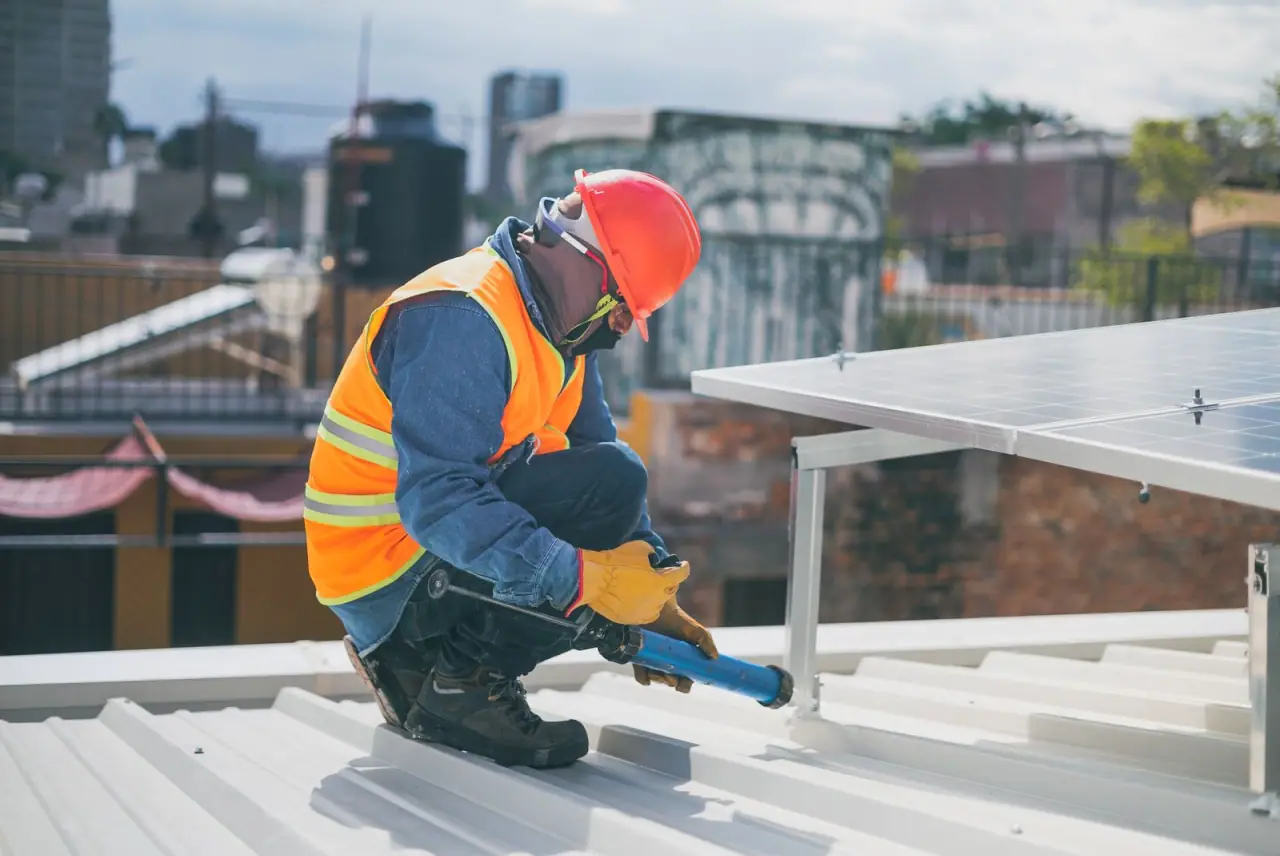
    An installer in a helmet and harness fixing clamps to a standing-seam metal roof
    You do
    Give site access and a power point for tools
    Typical timing
    2 – 4 days on site
  5. 05

    Grid connection and monitoring

    The DISCOM inspects, the net meter is installed and the system is formally connected. Monitoring is configured so you can see generation from day one.

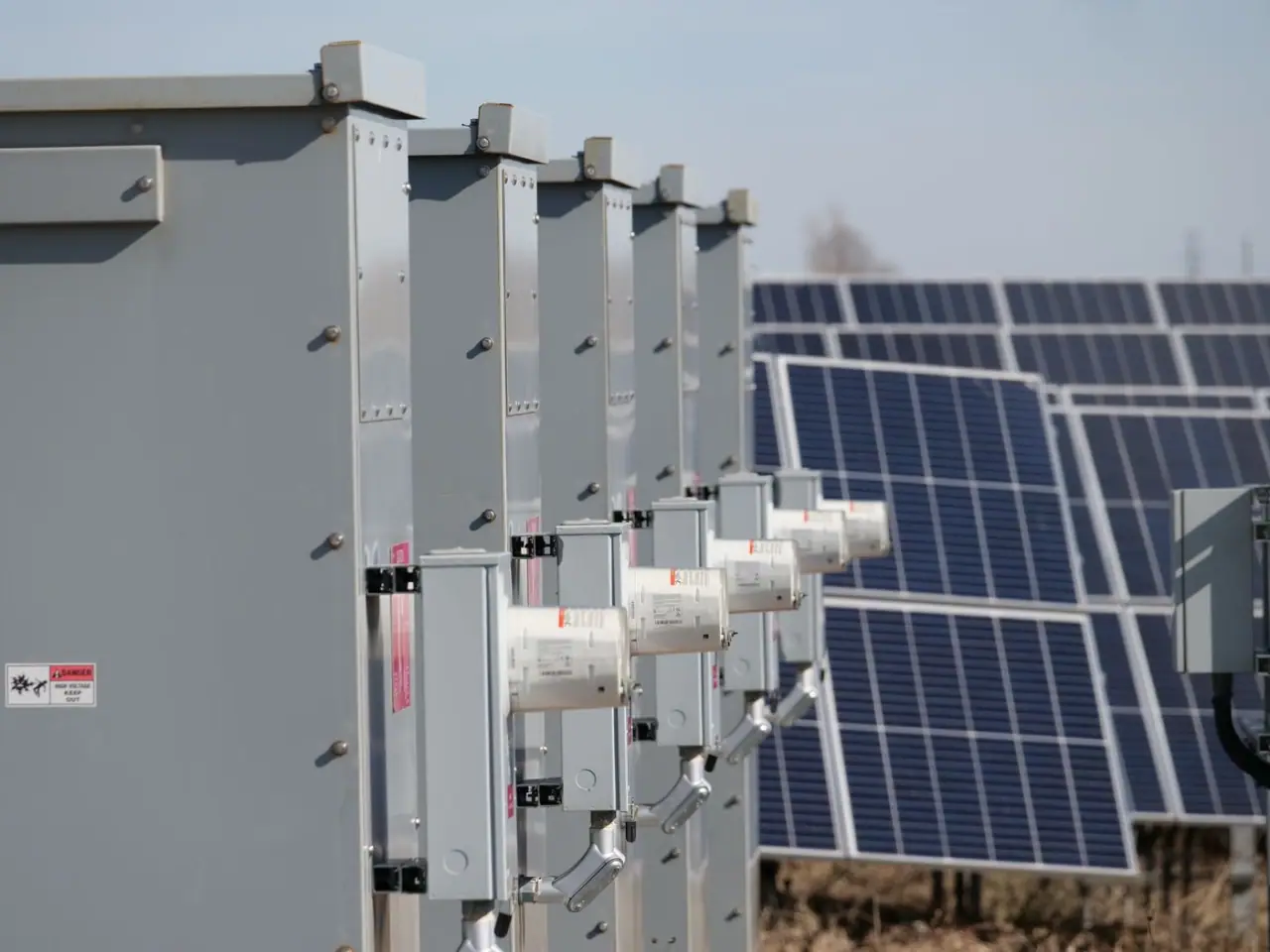
    Weatherproof enclosures and conduit running from a rooftop array down an external wall
    You do
    Be available for the inspection visit
    Typical timing
    Varies by DISCOM
  6. 06

    Ongoing service

    Scheduled cleaning and electrical checks, warranty support, and a yearly comparison of what the system produced against what it should have. Faults get a named person, not a ticket queue.

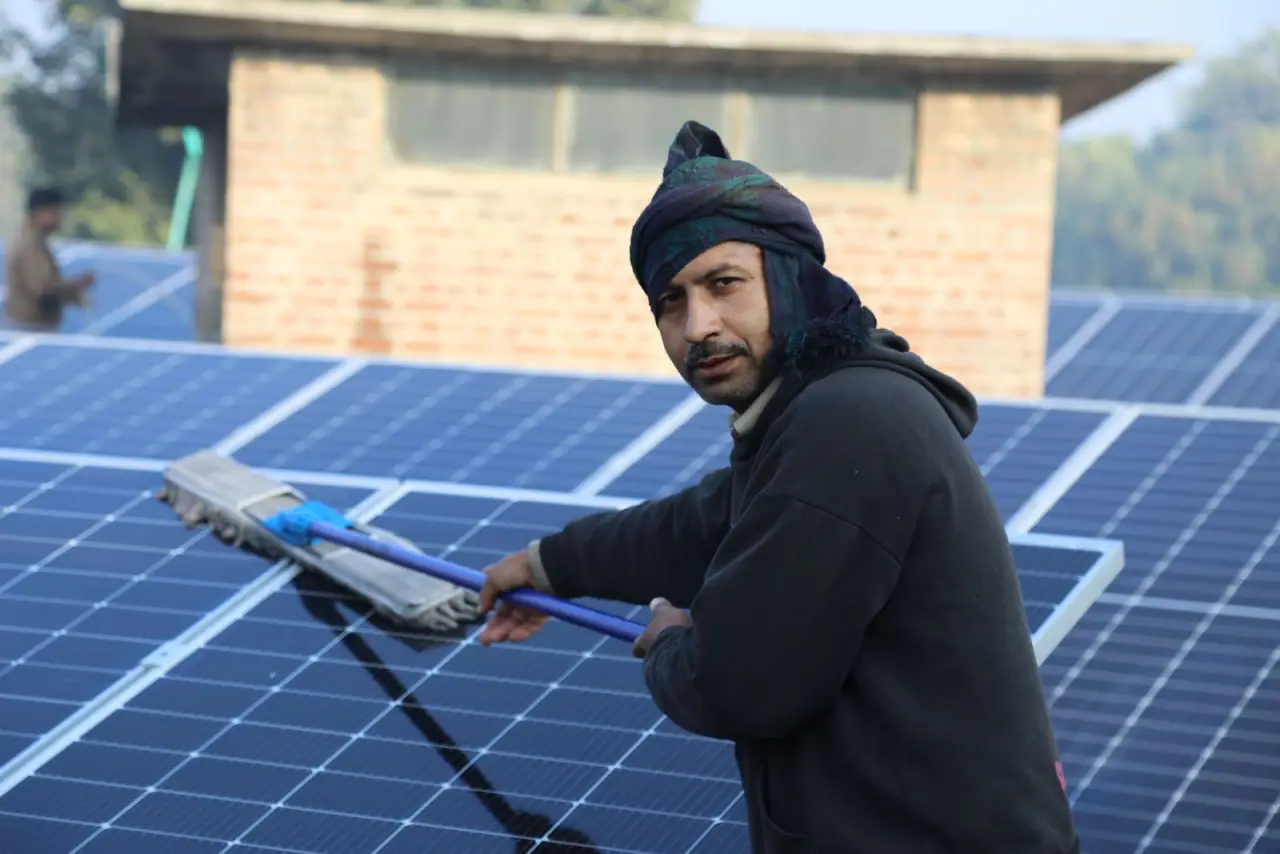
    A technician cleaning the surface of a rooftop solar array with a water-fed brush
    You do
    Nothing — we schedule the visits
    Typical timing
    For the life of the system
§ 06Reliability and engineering

A solar system fails slowly, and quietly.

Almost nothing goes wrong on day one. It goes wrong in year four, through a corroded connector, a cable resting in water, or an inverter cooking in the afternoon sun. These are the details that decide it.
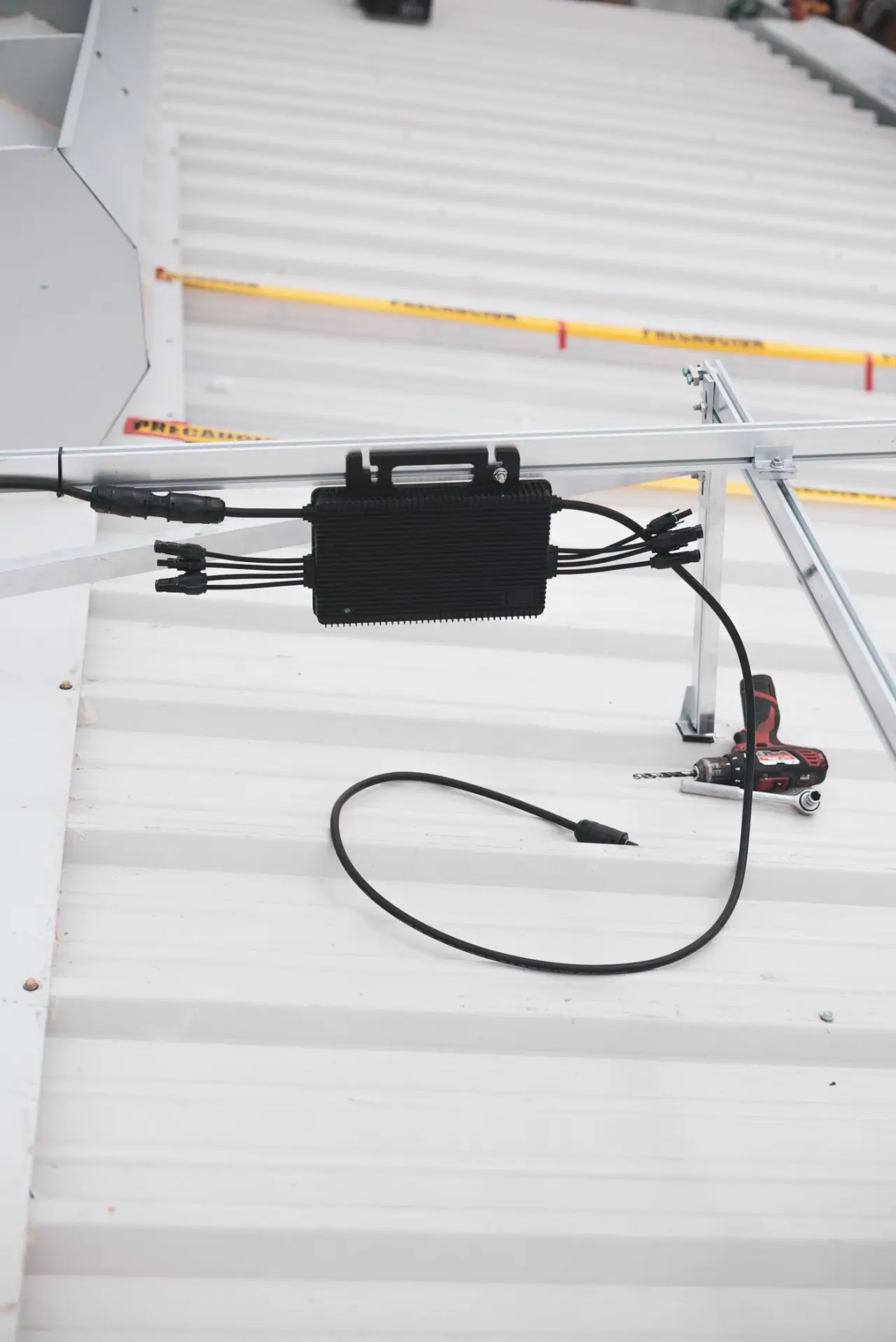
A module-level power electronics unit clamped to a mounting rail with its DC leads dressed along the purlin

The structure carries wind, not just weight

Panels are light; the wind load on them is not. The structure is sized for the wind speed at your location, hot-dip galvanised against monsoon humidity, and anchored so that uplift is carried into the slab rather than into the waterproofing.

Equipment ratings, standards compliance and warranty terms are stated per system in the quotation, against the specific products proposed — not claimed in general here.

§ 07Who this is for

Seven places a roof starts earning.

Each of these solves a different problem. A school has roof to spare and no load in the holidays; a farm has no dependable supply at all. The configuration follows from the problem.
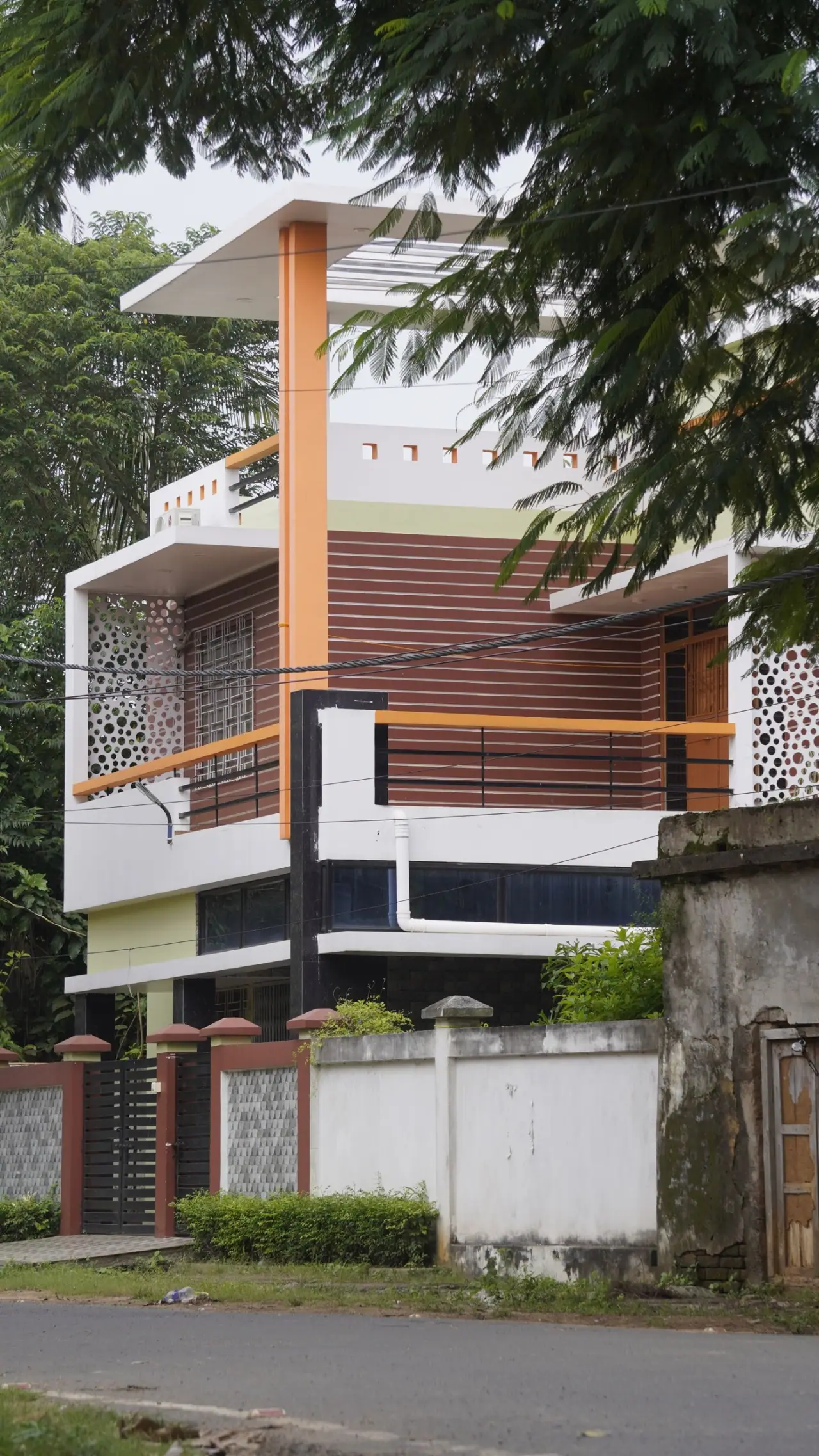
A contemporary Indian house with a projecting concrete canopy and timber screen

Independent houses

Who
Families with exclusive rights to their own terrace
What solar solves
A bill that climbs every summer with no way to bring it down
Usual configuration
Usually 3 – 5 kW on-grid, raised on a structure that keeps the terrace usable
Residential rooftop
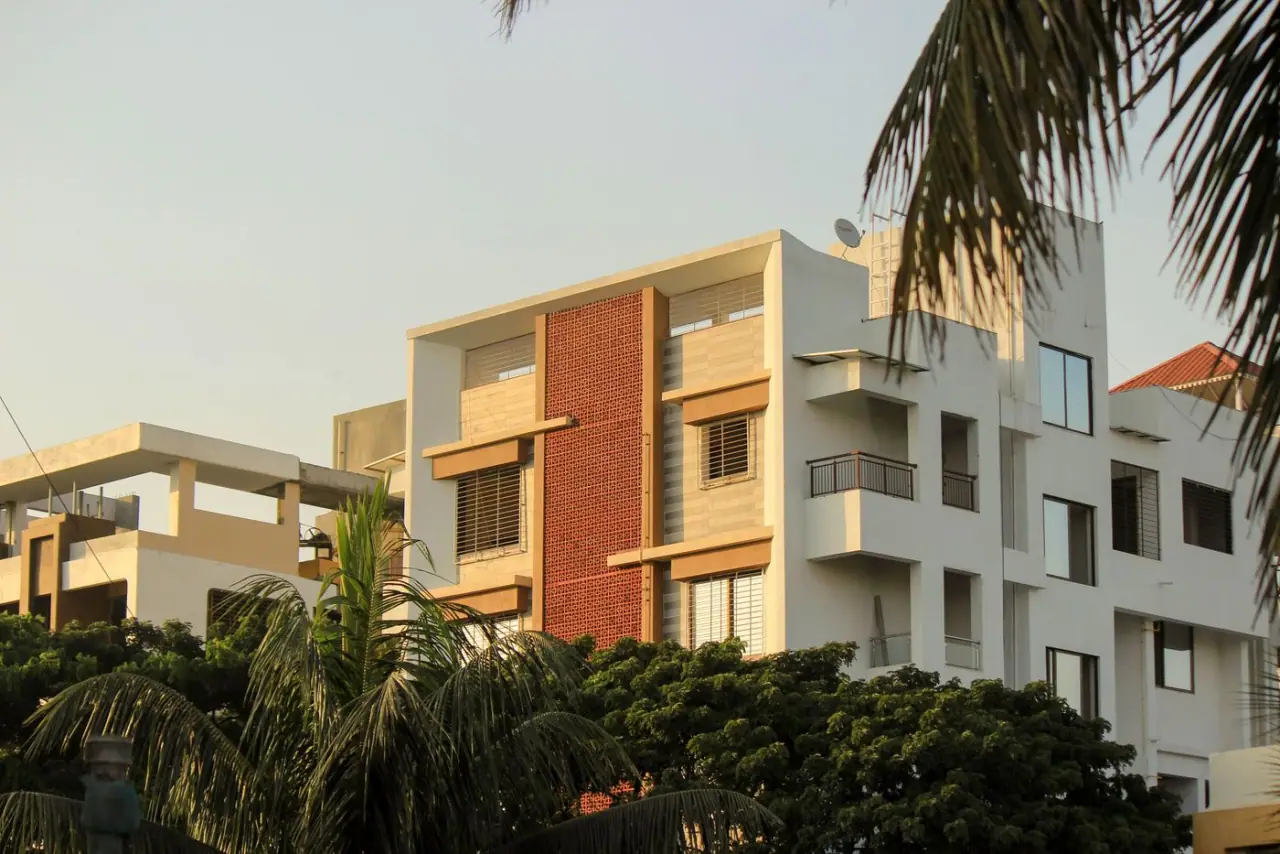
A low-rise apartment building with open balconies, surrounded by palms

Apartments and housing societies

Who
Resident welfare associations and apartment owners
What solar solves
Common-area bills for lifts, pumps and lighting that every flat pays into
Usual configuration
Usually a common-area system on the terrace, metered to the society connection
Commercial rooftop
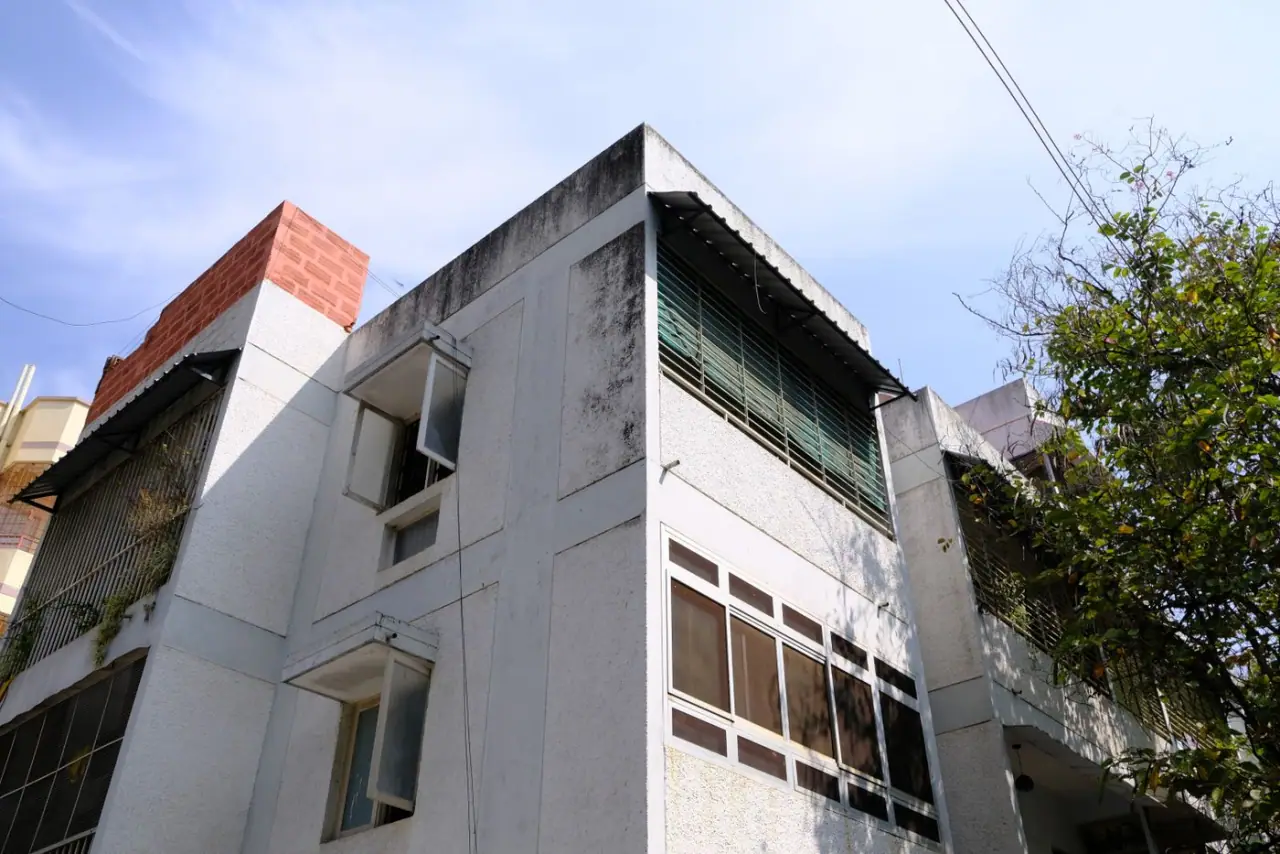
A mid-rise commercial building in Bengaluru against a clear sky

Shops and offices

Who
Retailers, clinics, studios and small offices
What solar solves
Commercial tariffs applied to air conditioning that runs all day
Usual configuration
Usually 10 – 50 kW on-grid, with most generation consumed on site
Commercial rooftop
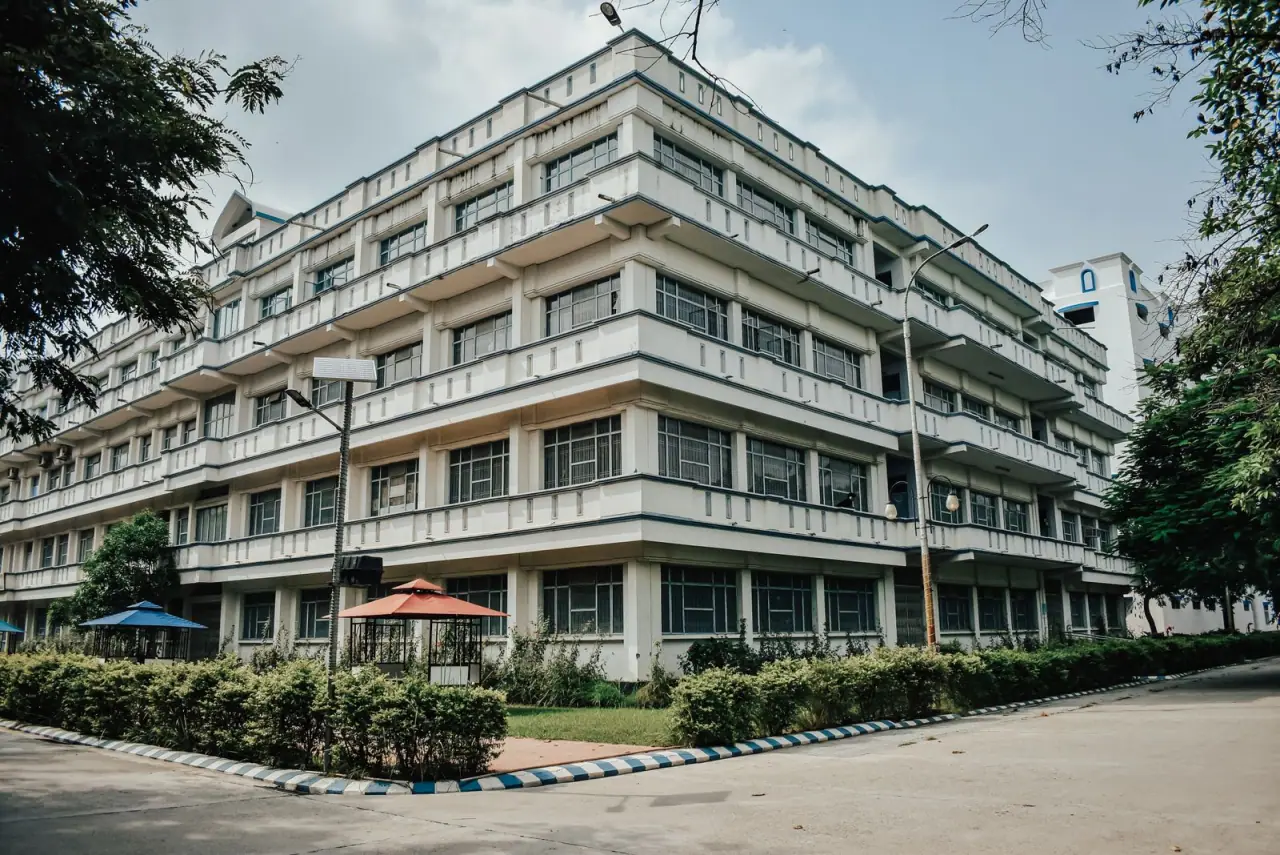
A multi-storey institutional building with deep horizontal balconies and wide flat roof areas

Schools and institutions

Who
Schools, colleges, hostels and trusts
What solar solves
Large roofs, tight budgets, and a load that stops at the end of the school day
Usual configuration
Usually a large on-grid array where net metering carries the holiday surplus
Commercial rooftop
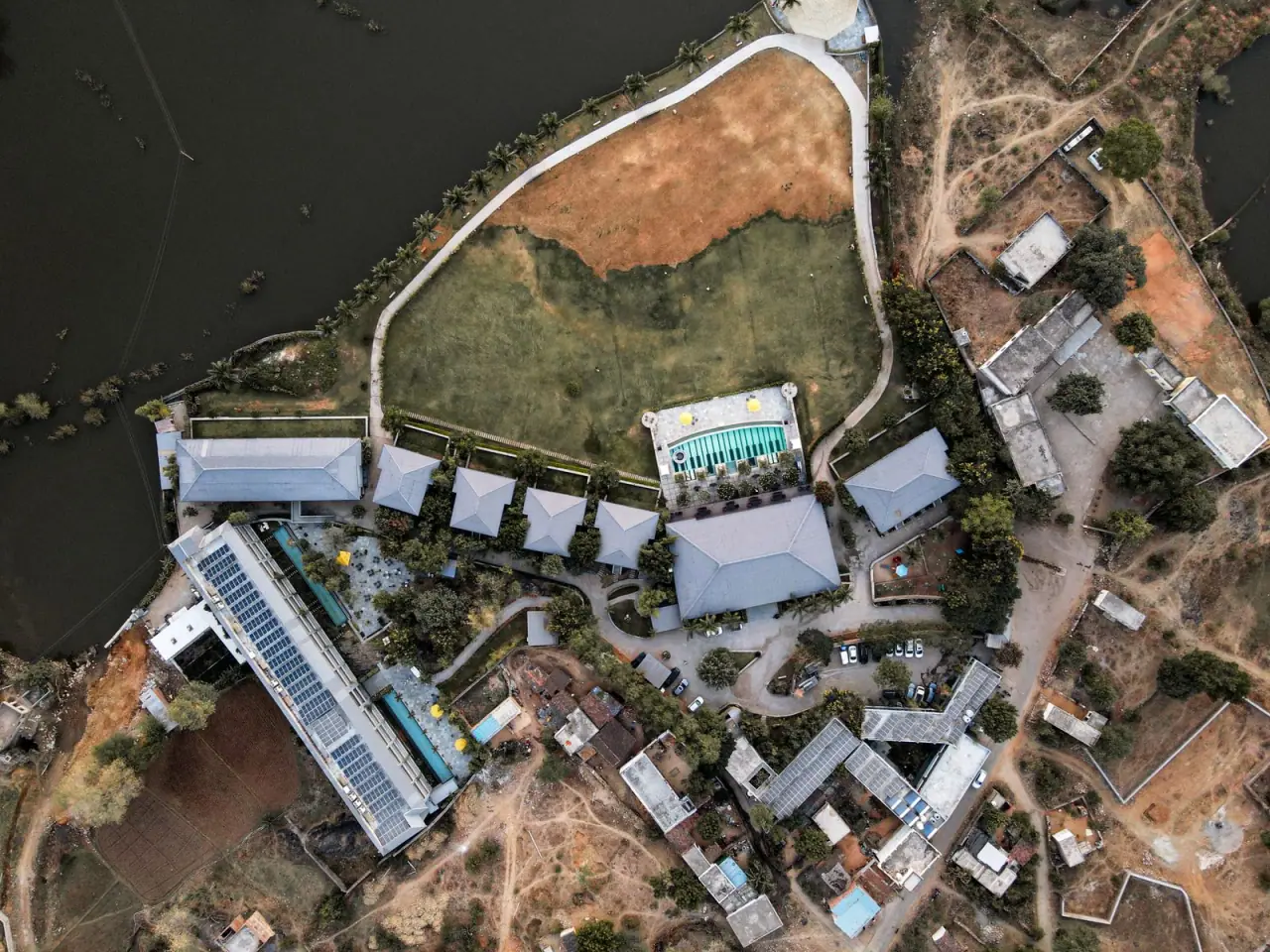
Aerial view of a resort with a pool courtyard and wide flat roof areas

Hotels and resorts

Who
Hotels, banquet venues and resorts
What solar solves
Round-the-clock load and guests who must never notice an outage
Usual configuration
Usually on-grid for the bill, with storage only on circuits that cannot drop
Hybrid and storage
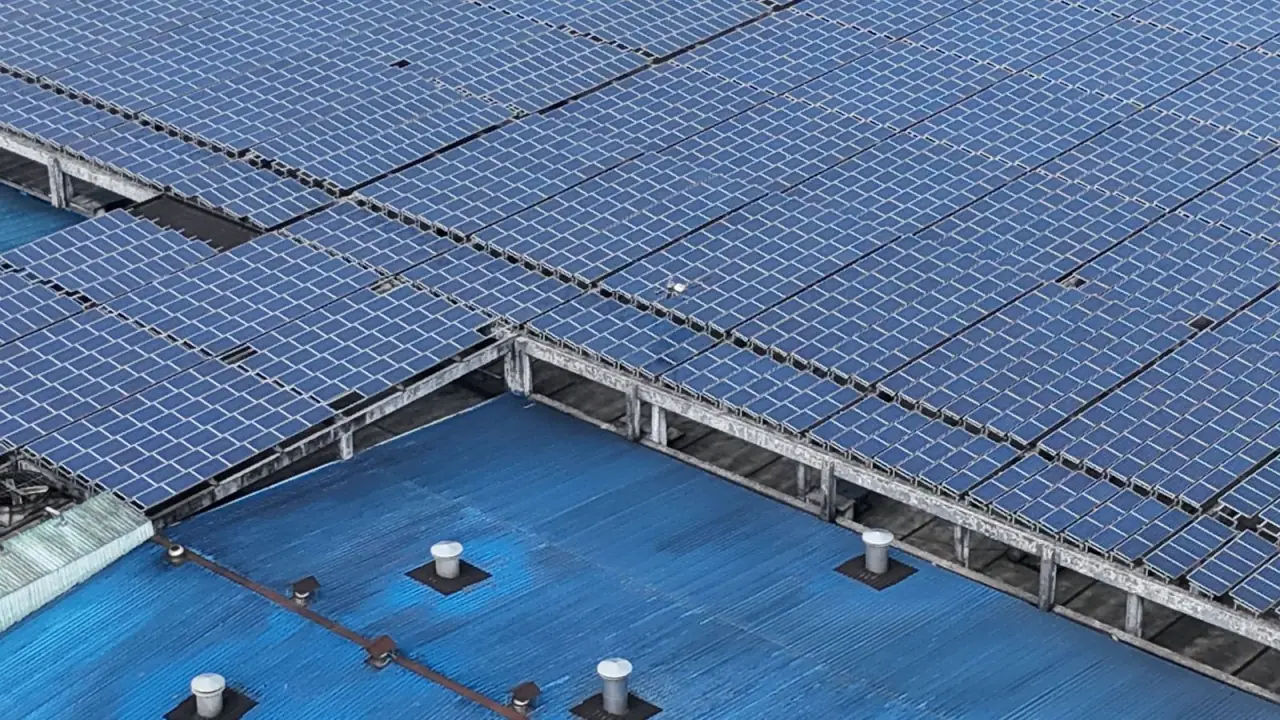
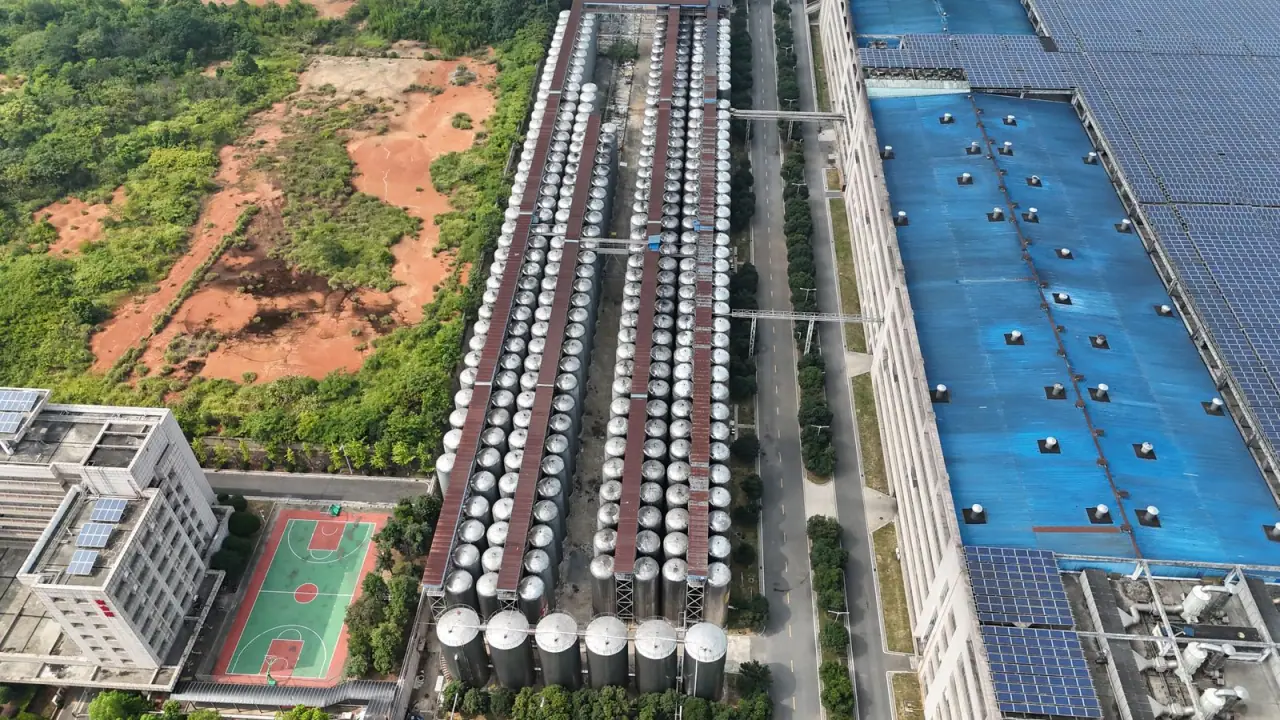
Close aerial view of panel rows laid across a blue profiled-sheet industrial roof

Factories and warehouses

Who
Manufacturers, cold stores and logistics operators
What solar solves
Energy as a line item large enough to show up in unit economics
Usual configuration
Usually 100 kW and above, engineered against the existing roof structure
Industrial EPC
An irrigation pump head and delivery hose at the edge of a green paddy field

Farms and agricultural sites

Who
Farmers, cold chains and agri-processing units
What solar solves
Irrigation that depends on a supply which is weak, rationed or absent
Usual configuration
Usually off-grid or hybrid, sized around the pump rather than a bill
Hybrid and storage
§ 09Featured projects

Work, documented.

Each entry records the site, the constraint it posed and how the design answered it. Measured results are published only where there is metered evidence for them.

Sample content — not verifiedThese are sample records used to build and review the portfolio template. They are not completed Bharat Shakti Solar installations, and the photographs are licensed stock images of solar work in general — not photographs of these sites. Replace them with real projects, own photography and written permission from each site owner before publishing.

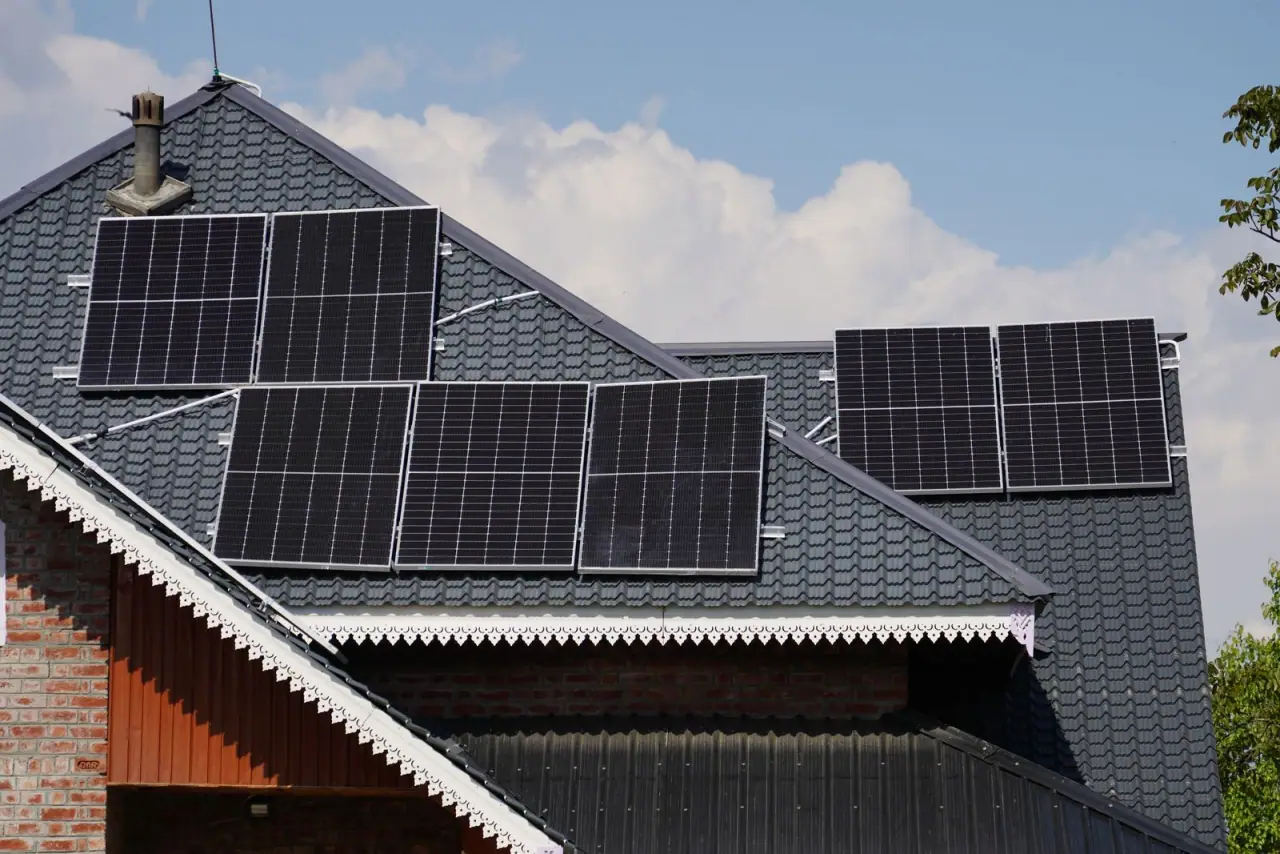
Solar modules fitted to the pitched roof of a house against a clear sky

Terrace array on an independent house

Type
Residential
Location
Lucknow, Uttar Pradesh
Capacity
5 kW
System
On-grid

A five-kilowatt array raised clear of a family terrace so the space underneath stays usable for drying and seating.

A multi-storey institutional building with deep horizontal balconies and wide flat roof areas

Institutional rooftop across three blocks

Type
Institutional
Location
Kanpur, Uttar Pradesh
Capacity
80 kW
System
On-grid

An eighty-kilowatt system spread over three school blocks, with net metering carrying the long holiday surplus.

Close aerial view of panel rows laid across a blue profiled-sheet industrial roof

Warehouse roof, structural retrofit

Type
Industrial
Location
Ghaziabad, Uttar Pradesh
Capacity
420 kW
System
On-grid

A 420 kW array on a logistics shed, engineered after a purlin assessment rather than assumed onto the existing structure.

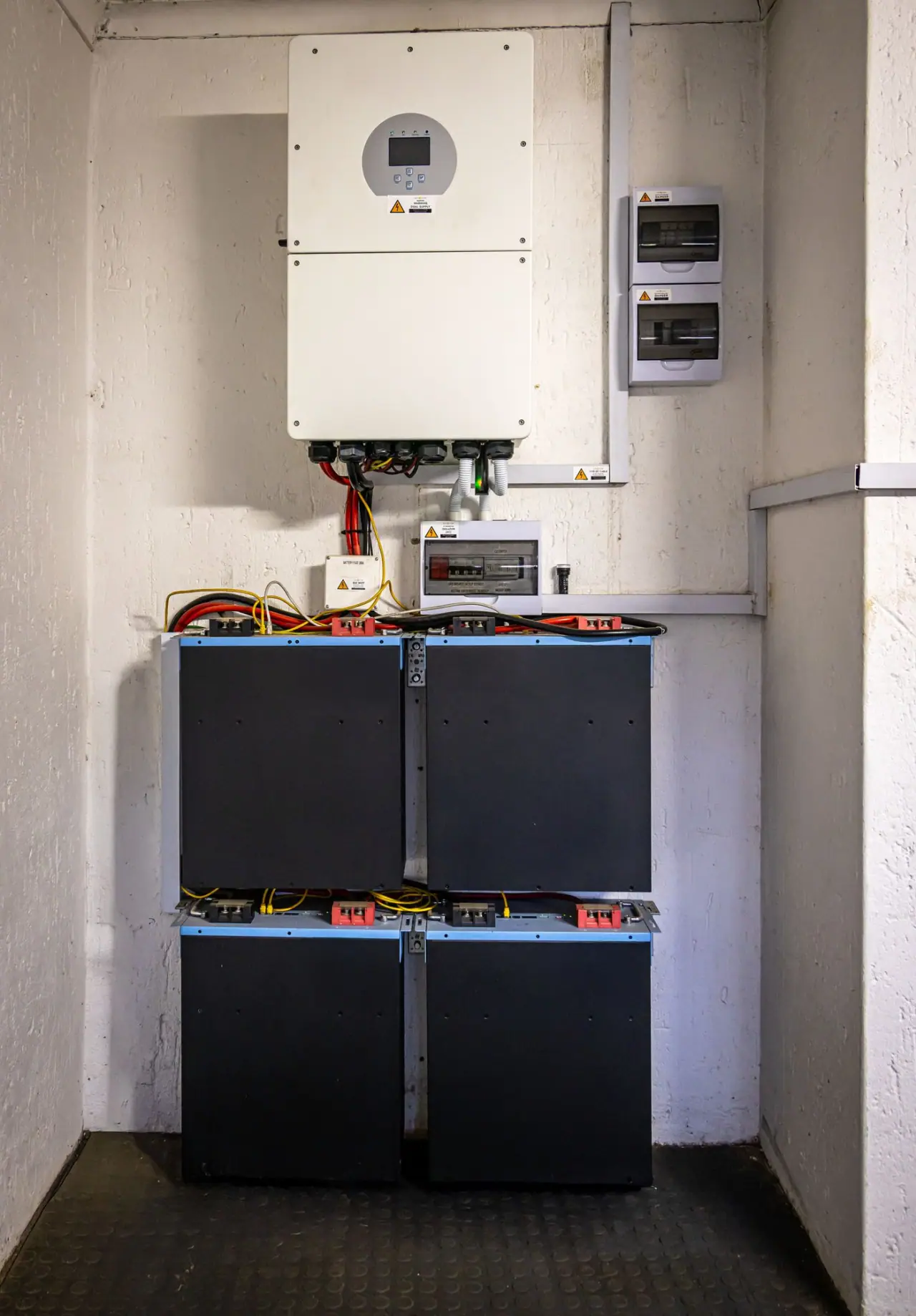
A wall-mounted hybrid inverter with its DC isolator and consumer units, above a bank of four battery modules in a plant room

Clinic with backup on critical circuits

Type
Commercial
Location
Prayagraj, Uttar Pradesh
Capacity
12 kW
System
Hybrid

Twelve kilowatts with storage sized to carry refrigeration, lighting and diagnostics through an outage — not the whole building.

§ 08What it does to the bill

The bill keeps rising. Your share of it need not.

A worked example, run through the same engine as the calculator on this site. The inputs are printed next to it so you can reproduce it — or replace them with your own.
Cumulative electricity bill over 25 years, with and without solar. The shaded area is the difference.₹0₹12.1 L₹24.2 LYr 1Yr 5Yr 10Yr 15Yr 20Yr 25
Electricity bill without solarElectricity bill with solar
View as a table
YearBill without solarBill with solar
1₹66k₹4.2k
2₹1.34 L₹9.0k
3₹2.05 L₹14k
4₹2.77 L₹20k
5₹3.52 L₹27k
6₹4.28 L₹34k
7₹5.08 L₹42k
8₹5.89 L₹51k
9₹6.73 L₹60k
10₹7.59 L₹70k
11₹8.48 L₹81k
12₹9.40 L₹93k
13₹10.3 L₹1.06 L
14₹11.3 L₹1.20 L
15₹12.3 L₹1.35 L
16₹13.4 L₹1.51 L
17₹14.4 L₹1.68 L
18₹15.5 L₹1.87 L
19₹16.6 L₹2.06 L
20₹17.8 L₹2.27 L
21₹19.0 L₹2.50 L
22₹20.2 L₹2.73 L
23₹21.5 L₹2.98 L
24₹22.8 L₹3.25 L
25₹24.2 L₹3.54 L
Yearly bill today
₹66,240

8,832 kWh a year at ₹7.5/unit

Estimated yearly saving
₹62,651

After an allowance for cleaning and maintenance

Bill offset
102%

Of the units you use in a year

System size
6.5 kW

8,970 kWh generated a year

The inputs used

  • Residential connection in Lucknow (PIN 226001)
  • ₹6,000 average monthly bill
  • On-grid system, no battery
  • Sized at 6.5 kW, needing about 650 sq ft of shadow-free roof

Indicative estimateOver 25 years this scenario keeps about ₹20.6 L off the bill — assuming a 3% yearly tariff rise and 0.5% yearly panel degradation across a quarter of a century. It is bill savings only; what the system costs to install is quoted after a survey. Treat the early years as the reliable part and the later ones as a scenario.

§ 10In customers’ words

We haven’t published any testimonials yet.

Reviews only go up here with the customer’s written permission, their own words, and the installation details they agreed to publish. Until there are some, this space stays empty rather than being filled with stock quotes.

Sample content — not verifiedIf you are a customer and willing to be quoted, we would be glad to hear from you — get in touch.

§ 11Questions we get asked

Straight answers.

Where a number depends on your site, your state or your DISCOM, these answers say so instead of quoting a figure that would only be right by accident.

Next step

Your roof could do more.

Start with an estimate you can check, then book a survey when you want a firm number. No obligation either way.