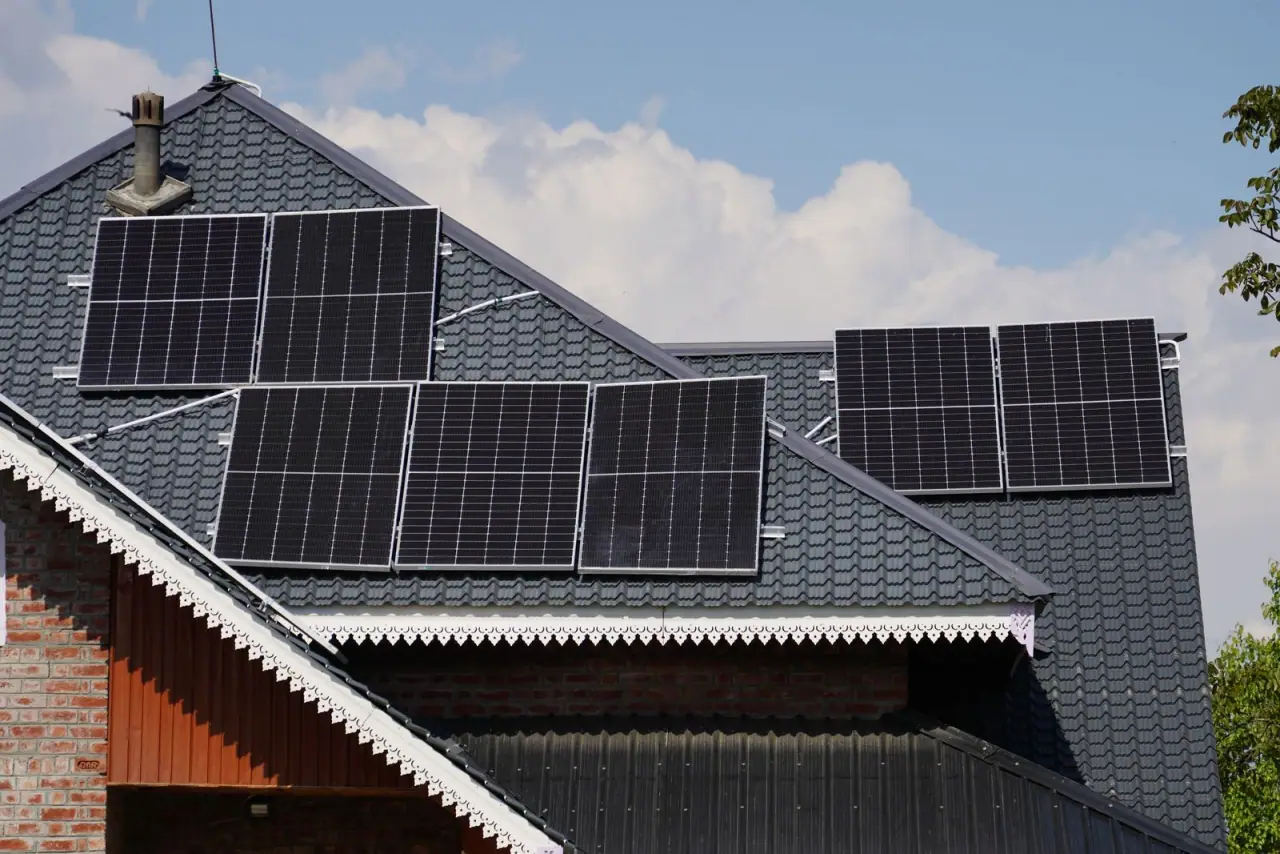
Residential rooftop
A grid-connected system sized to your own consumption, built on a structure that clears the terrace for everyday use.
- Typical capacity
- 2 – 10 kW
- Roof area
- 200 – 1,000 sq ft
Solutions
The right system depends on your load profile, your roof and how much an outage costs you. Each page below says what the system does — and what it does not.
A grid-connected system sized to your own consumption, built on a structure that clears the terrace for everyday use.
Daytime load and daytime generation line up almost perfectly, which is why commercial rooftops pay back faster than almost any other solar application.
Full engineering, procurement and construction for large shed and ground-mount arrays, delivered against a defined scope, schedule and performance basis.
Solar that keeps running when the grid stops — with the sizing, cost and limits of storage stated plainly before you commit to it.
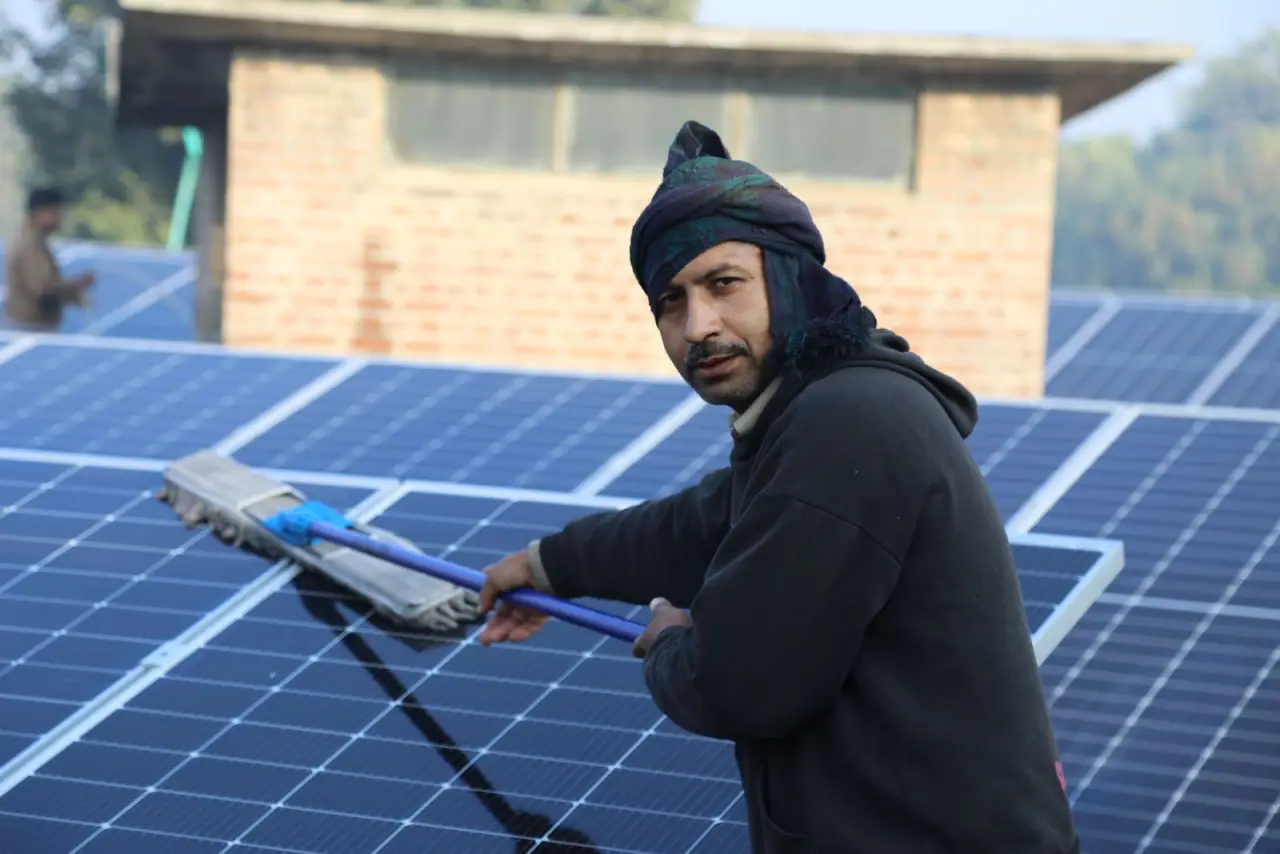
Generation falls quietly. Scheduled cleaning, electrical checks and monitoring catch the losses that no one notices on a bill.
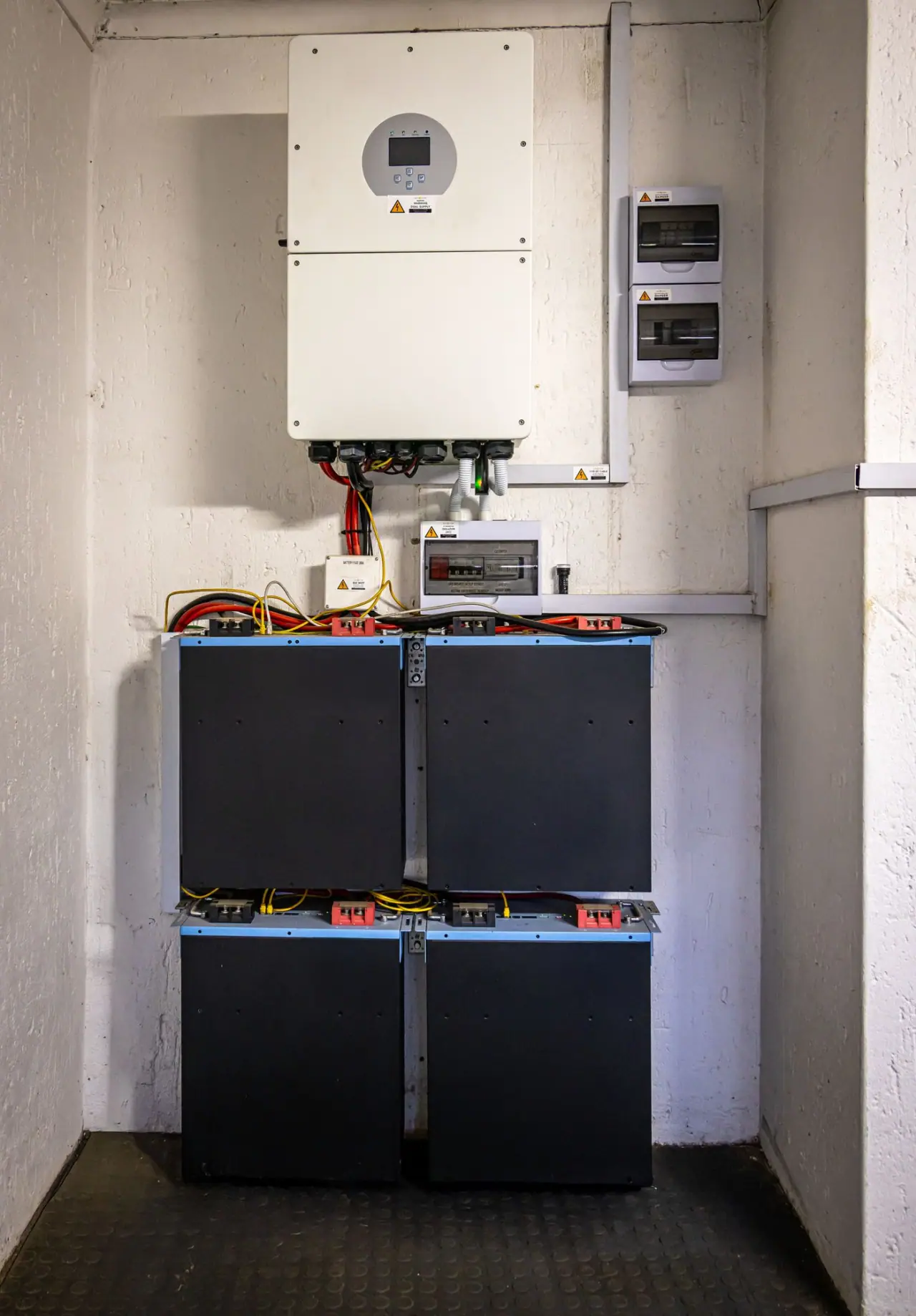
An on-grid system shuts down during an outage — by design, and by regulation, so that it cannot energise a line someone is working on. Backup needs a battery, and a battery changes the economics.
Lowest cost per unit generated
Best forLowering the bill where the supply is reasonably reliable
Shuts down during a power cut by design, so that no supply is fed into lines under repair.
Higher — the battery adds cost without adding generation
Best forLowering the bill while keeping selected circuits running
Backs up the circuits it was wired for, for as long as the battery holds. Not the whole building indefinitely.
Highest — sized for the worst stretch of weather in the year
Best forSites with no usable grid connection at all
No export, no net metering, and not eligible for the central residential subsidy.