Solar that keeps running when the grid stops — with the sizing, cost and limits of storage stated plainly before you commit to it.
Who it is for
Sites with frequent or long outages, or loads that must not stop
Typical capacity
3 – 50 kW with 5 – 30 kWh storage
Roof area
As for an equivalent on-grid system
System types
Hybrid (grid-connected with backup) and off-grid
Hybrid, off-grid and on-grid are not interchangeable
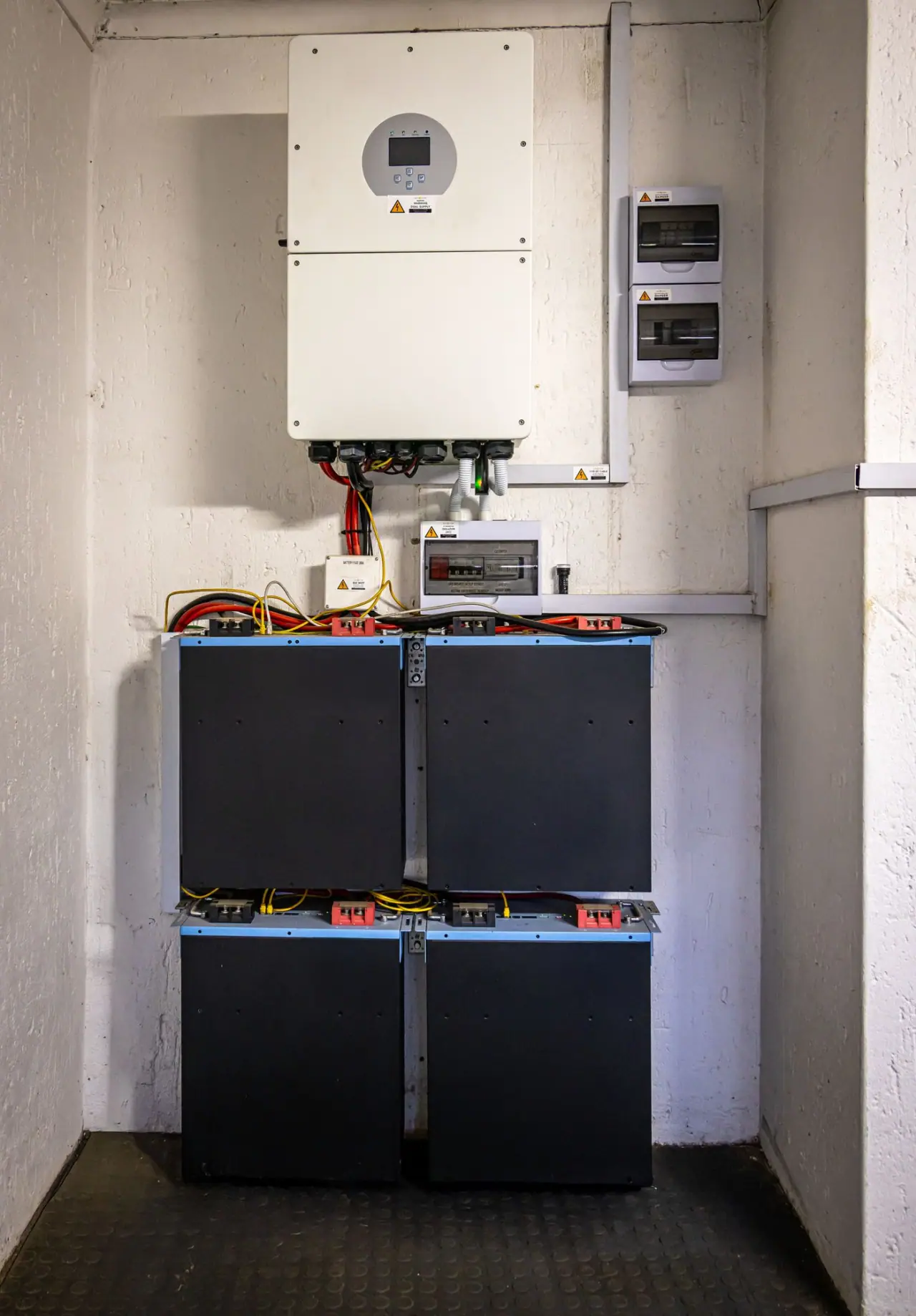
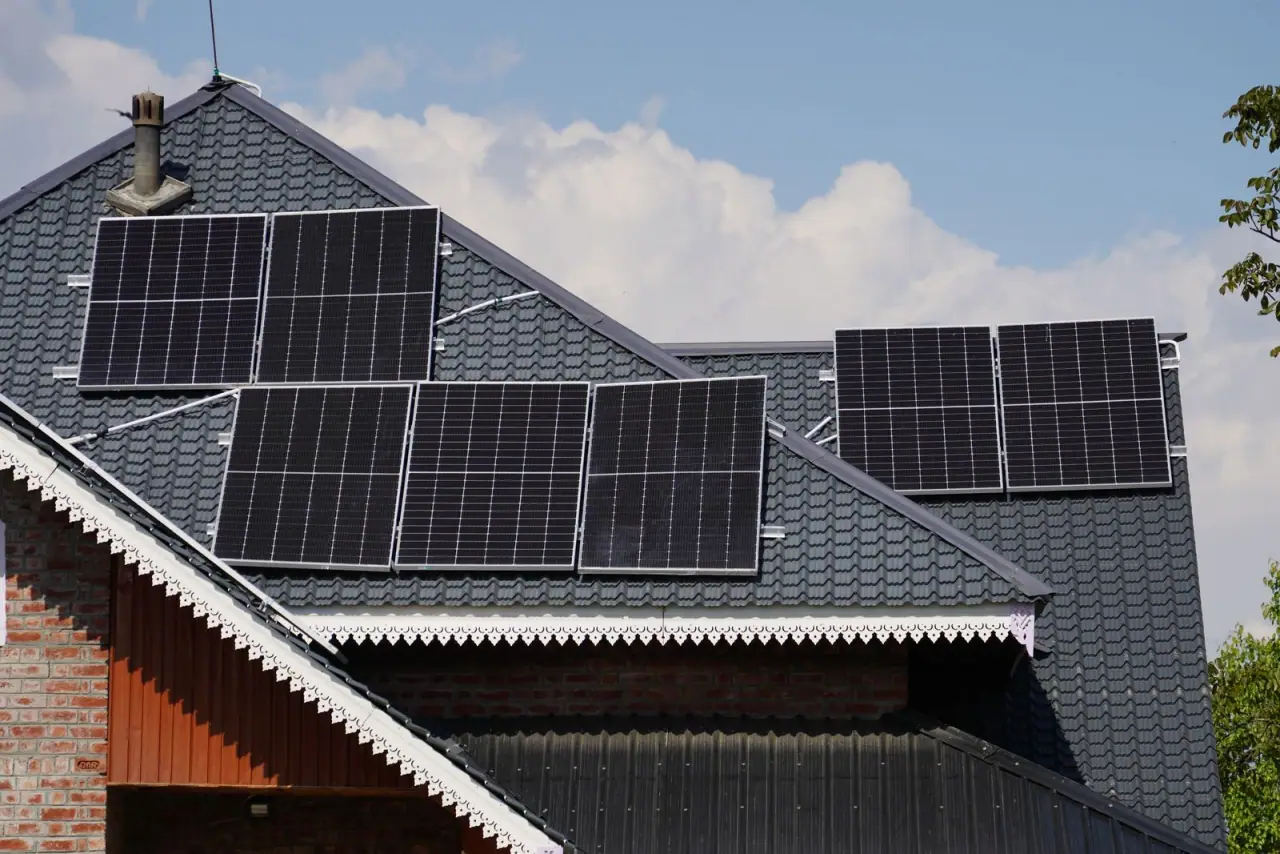
An on-grid system is the cheapest and highest-yielding, and it stops during an outage. A hybrid system adds a battery and a changeover so selected circuits keep running. An off-grid system has no grid connection at all and must be sized for the worst week of the year, which makes it considerably more expensive.
Sizing the battery honestly
Storage is priced per usable kilowatt-hour, and it is the expensive part of the system. We size it from the loads you want to carry and the hours you want to carry them — typically lights, fans, router and a fridge for a home, or tills and servers for a shop — rather than attempting to back up the whole building.
What storage costs you in payback
A battery does not generate anything; it moves energy in time. Adding storage lengthens payback. It buys continuity, and that is the basis on which it should be decided.
What this does not do
Batteries have a finite cycle life and will need replacing within the life of the array. We state the expected replacement window in the proposal rather than leaving it out of the cost comparison.